A blog disclaimer is a legal statement that helps protect you, the blogger, from liability associated with your content. There’s no one-size-fits-all disclaimer for blogs, since they vary widely by topic, but a handful of disclaimers are commonly used. Let’s look at what they are.

What Is a Blog Disclaimer?
A disclaimer is a legal statement letting readers know you can’t be held liable for the content you provide, and disclosing your participation in an affiliate program, if applicable.
The most common blog disclaimers include:
- Blog disclaimer: a general disclaimer for personal blogs.
- Affiliate disclaimer: required if your site contains affiliate links.
- No professional relationship disclaimer: for blogs discussing professional topics such as law, medicine, or fitness.
- Fitness, medical, or legal disclaimer: specific disclaimers written for these topics.
- Fair use disclaimer: for blogs using copyrighted material under a fair use claim.
Blog Disclaimer
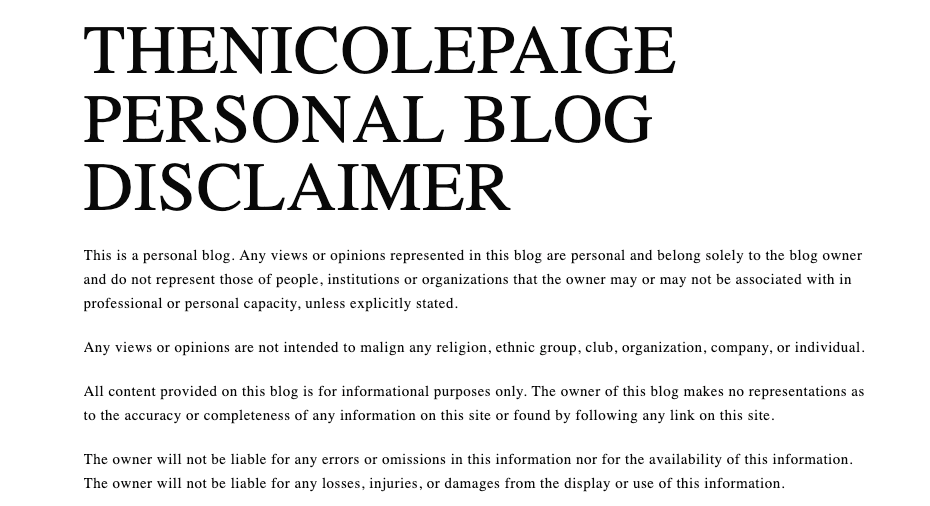
A general disclaimer useful for personal blogs. It helps minimise legal liability for your content and lets readers know your posts are for informational purposes only, and that you’re not liable for any injury or damage arising from the use of that information.
An example of a personal blog disclaimer is the one below from thenicolepaige.com blog
Affiliate Disclaimer
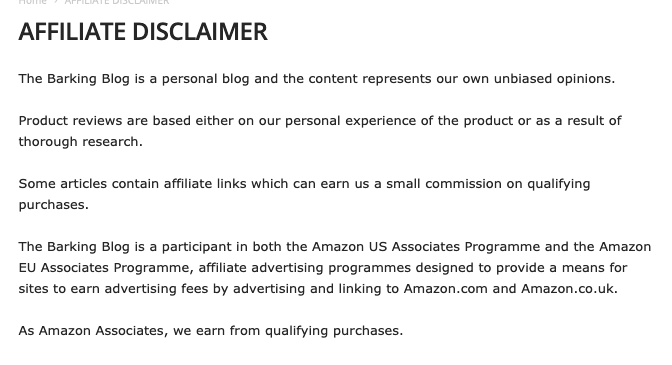
If your blog contains affiliate links, you must comply with the FTC’s disclosure guidelines and include an affiliate disclaimer clearly identifying your participation, for example, in Amazon’s Associates programme.

An example of an affiliate disclaimer can be seen in this example from the Barking Blog
No Professional Relationship Disclaimer
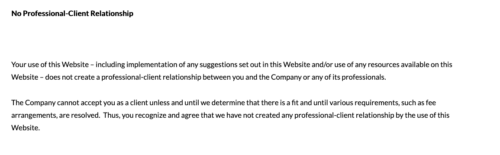
If your blog covers a professional topic like law, medicine, fitness, or counselling, this disclaimer lets readers know your content isn’t a substitute for professional advice, and that using your site doesn’t create a professional relationship between you and them.
Here is an example of a no professional relationship disclaimer from Be Here and Now
Fitness, Medical, or Legal Disclaimer
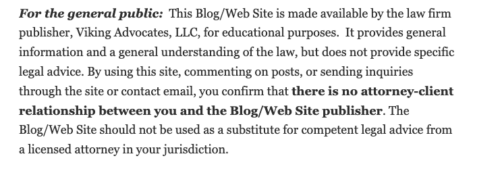
If your blog discusses medicine, health, fitness, or legal topics, including the appropriate disclaimer is good practice for reducing legal liability when covering these subjects.
The following example is taken from Hague Law Blog
Fair Use Disclaimer
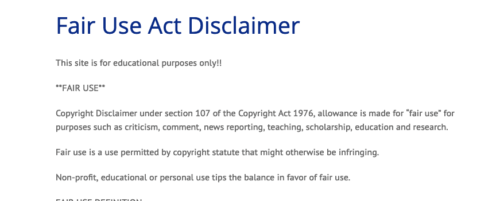
For bloggers using copyrighted material on their site. Under Section 107 of US Copyright Law, some copyrighted material can be used for educational and teaching purposes. If you use or believe you may be using copyrighted material, adding a fair use disclaimer is good practice.
The following has been taken from the Fair Use Disclaimer on the Multiple Chronic Conditions Resource Center website.
Conclusion
As a blogger, you’re sharing information and opinions with your readers, and a disclaimer helps limit your legal liability when you post. Useful disclaimers for bloggers include a blog disclaimer, affiliate disclaimer, no professional relationship disclaimer, a fitness/medical/legal disclaimer where relevant, and a fair use disclaimer.
For peace of mind, it’s worth adding the appropriate disclaimers to your blog to reduce your chance of legal liability.
The information in this article is for informational purposes only and should not be construed as legal advice on any matter, and does not create a lawyer-client relationship.